



Hiking Trails and Nature Paths in the Bükk
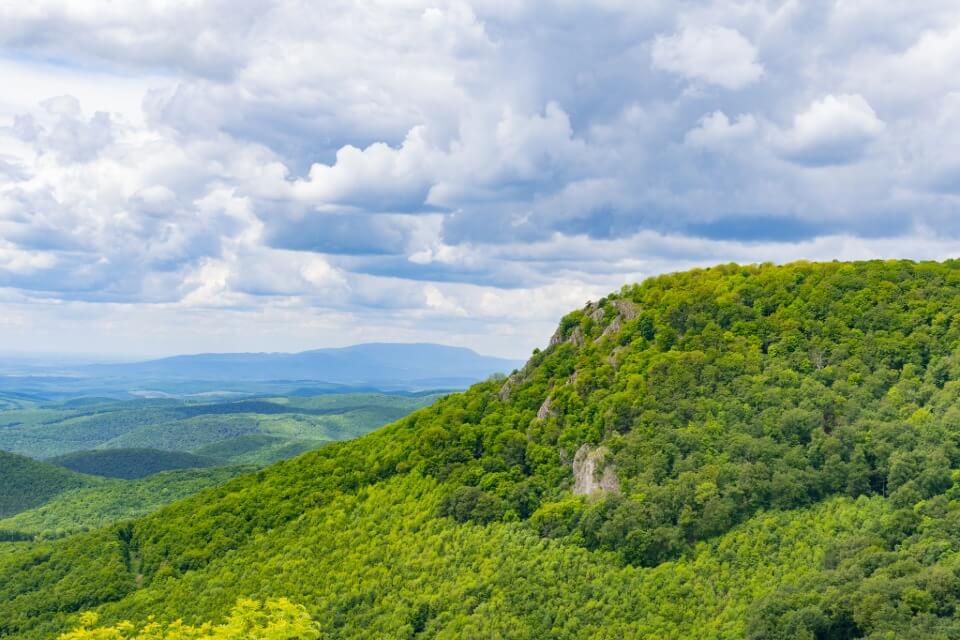
Répáshuta – Study Trails in the Bükk National Park
The village and its surroundings offer plenty of opportunities for hiking, sports, and nature lovers. Numerous trails and study paths await visitors. From the village, you can reach Tebe-puszta, where the planted pine forest creates a truly scenic environment. Thanks to the limestone mountains, the area around the village is rich in caves, most of which can only be visited with professional speleologists.
A special attraction is the Pénz-patak Sinkhole Cave, an underground cave system located at 528 m above sea level in the Csúnya Valley, on the edge of the village. This strictly protected cave serves as the permanent sinkhole of the Pénz Stream. Formed in Triassic limestone, the 300 m system begins with a collapsed entrance zone leading into a narrow 2–3 m high passage with only a few stalactites, followed by a series of shafts descending 128 m. Water levels here can fluctuate by as much as 42 m within a year, indicating blocked or underdeveloped passages. The cave may only be visited with technical equipment.
1. Rejtek Study Trail
The trail starts from the parking lot of the Rejtek research house. Along its diverse route, visitors can see three archaeologically significant caves (Rejtek Rock Shelter No. 1, Balla Cave, and Pongor Hole), two gorges (Csúnya and Balla Valleys) with their characteristic gorge forests, the industrial heritage site of the Hór Valley (the remains of the Gyertyánvölgy glassworks), the Bükk’s only katavothra (an intermittently active spring that also functions as a sinkhole), and two permanent sinkholes (the Diós-patak and Pénz-patak sinkhole caves).
Balla Cave
On the slope of the Balla Ridge, at 543 m above sea level, lies the Balla Cave—strictly protected for its archaeological finds. This inactive spring cave, opening with a wide entrance, stretches 54 m in length, averaging 6 m in height and 8–10 m in width. Excavations here uncovered cave bear and hyena remains, along with distinctive stone tools of the early Szeleta culture. From upper layers, in addition to paleontological finds, tools of Paleolithic humans were discovered, as well as the skull of a child dating from the end of the Ice Age.
2. Stone Axe Study Trail
This trail features three main stations and one additional stop along the way. Its total length is 1.4 km. The route was designed to give visitors deeper insight into the forest as an ecological system, the forestry work carried out here, and the close relationship between the forest and the local community of Répáshuta.
3. Gentian Study Trail
Named after the St. Ladislaus Gentian flower, this trail connects eight stations along forestry roads and marked hiking paths (blue cross and yellow stripe), making it easy to follow. Its length is 4.2 km. At the final station, hikers will find a small “forest classroom” with tables, benches, and a board, where children’s groups can gather to discuss what they have learned. For larger groups, the Répáshuta Forestry Directorate provides guided tours. At the forestry office (Répáshuta, Herman O. St. 44, Tel.: +36 46/390-176), booklets with descriptions and playful exercises are also available.